
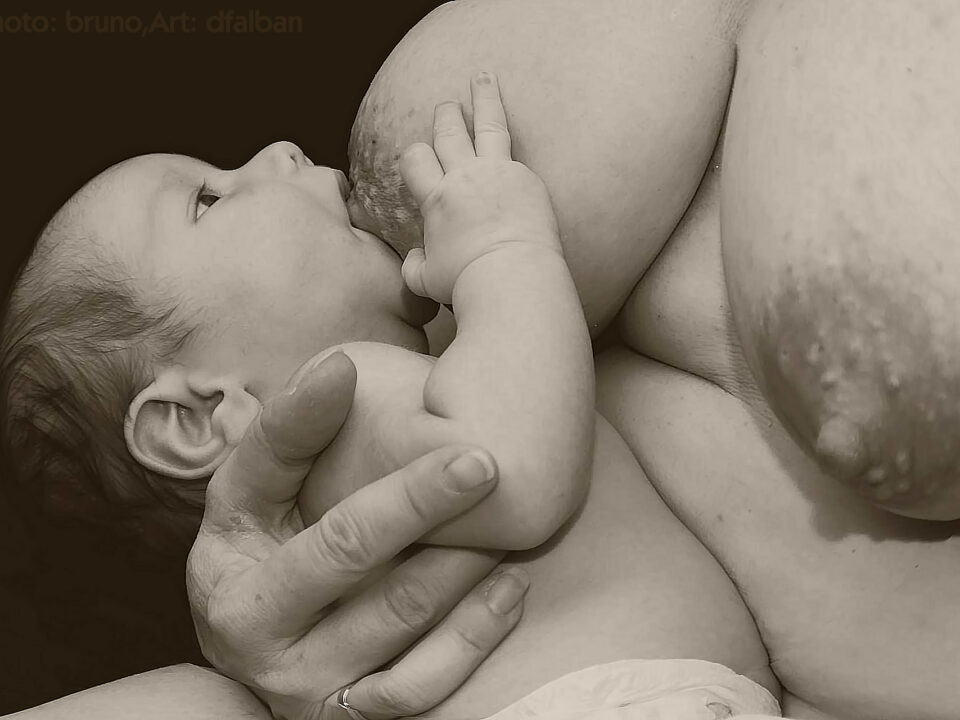
How Postpartum Breast Massage Works
A big part of postpartum massage is breast massage. Most women have no idea what this encompasses.
And so, I made a brief outline detailing a session. Of course, no session is ever exactly like this.
Here’s how I, as a trained LMT, typically perform a postpartum breast massage session, and how I teach people to do parts of it themselves.
-
Assessment & Communication
-
I begin by sitting with you, gently palpating the area where you feel a lump or discomfort, listening to your experience, and asking how long it’s been there, whether it worsens with feeding or pumping, etc.
-
Consent is ongoing: you tell me what pressure level feels good, what feels too much, when to slow down, and if you want me to stop working that particular clogged duct. Sometimes the uterine contractions are too much and we need to slow down.
-
-
Warm-Up & Preparation
-
We start with gentle warming (e.g., a warm, moist cloth or a warm massager) to help soften tissue.
-
I often start with very light, skin-gliding strokes (like lymphatic massage around the lymph along the upper trunk and inner arms to help reduce superficial congestion and help fluid move.)
-
-
Integrated Breast Massage Techniques
Based on research (like the IBM RCT), I use specific patterns:-
Butterfly strokes: moving from the base of the breast (near the chest wall) outward, and from medial to lateral, to improve circulation and encourage lymphatic drainage. PMC
-
Fingertip circles: small, gentle circular motions around the areola and breast to help mobilize the tissue. PubMed+1
-
Nipple rolling / dilation: very gentle work around the nipple to help dilate the ducts, when appropriate, to facilitate drainage. (This is part of what makes IBM more effective than older techniques.) PMC
-
Manual compression: once the tissue is softened, carefully applied, gentle pressure is used to encourage the “plugged” milk to move out through the duct. Again, done mindfully, so as not to bruise. PMC
-
-
Milk Removal (with Expression or Feeding)
-
While massaging a clogged area, I guide the milk out along the clogged duct, until the milk is expressed.The combination of massage + milk removal is critical: massage helps loosen the blockage, and the feeding the baby at the breast or hand expression provides the pathway out.
-
After milk begins to flow, I may reduce massage frequency so we don’t over-stimulate (which can sometimes worsen swelling).
-
-
Aftercare & Self-Care Coaching
-
Once the hands-on portion is done, I teach you self-massage techniques to do at home — small gentle circular massage, combined with hand expression or feeding, so you can keep managing things after I leave.
-
I also might teach light lymphatic-style skin-stroking (very gentle pressure) to help reduce fluid buildup.
-
Plus, I offer strategies for rest, proper nursing or pumping positioning, and stress reduction — all of which support long-term healing.
-
Why In-Home Massage Services Matter (As Opposed to Leaving the Home)
Providing in-home massage makes a big difference for postpartum people — both practically and emotionally. Here’s why I strongly advocate for in-home sessions when possible:
-
Comfort & Safety
-
Traveling when you’re sore, engorged, or in pain can be really hard — especially with a newborn in tow. In-home massage removes that barrier.
-
When you’re at home, you’re in a familiar, private, safe environment. That can decrease stress and make the whole experience more gentle and effective.
- Many women from different world cultures do not like leaving the house unless necessary during the postpartum time.
-
-
Tailored Support
-
In your own home, I can observe your usual nursing or pumping setup, your feeding positions, how your baby latches (or not), and make real-time suggestions.
-
I also bring tools and supplies (like warm cloths, oils, heated massagers, and other supports) that you may not have or know how to use optimally. (I do not sell these items and make no profit from your purchases, where and when you do buy them!)
-
-
Emotional & Mental Wellness
-
Having someone come to you — someone whose job is to support your body — is empowering. It validates that your discomfort matters.
-
It can reduce the burden of “doing it all” alone. Sometimes, just having someone there to hold space, to listen, and to help can be healing in itself.
-
-
Continuity & Accessibility
-
For recurrent clogs or chronic issues, home visits mean I can track progress more closely, see how your body is responding, and adjust massage techniques or frequency.
-
It also lowers the barrier to care: no need to arrange childcare, worry about transportation, or take time away from rest.
-
Benefits of Postpartum Breast Massage (as Performed by a Licensed LMT)
Putting together the above, here are the major benefits of postpartum breast massage (from a trained LMT):
-
Faster Resolution of Clogged Ducts
-
Research (e.g., IBM vs. traditional) shows that skilled massage can resolve blockages more quickly, reducing lump size and pain. PMC
-
-
Reduced Pain
-
Both the Witt et al. TBML work and other interventions consistently report immediate pain relief. PubMed
-
-
Lower Risk of Complications
-
By resolving stasis early, you may reduce the risk of recurring plugs or progression to mastitis.
-
-
Empowerment & Self-Management
-
Learning simple massage and expression techniques gives you tools to manage future episodes on your own. According to the Witt et al. study, many mothers found the skills they learned very helpful long-term. DACLC+1
-
-
Improved Breast Tissue Health
-
Massage can encourage better lymphatic and blood circulation, reducing edema and congestion.
-
-
Emotional Support & Stress Reduction
-
The act of nurturing — being touched with kindness, supported, and heard — can ease anxiety, lessen the feeling of isolation, and reinforce your confidence as a mother.
-
Addressing Stigma & Emotional Barriers
Because you mentioned stigma, I want to speak directly to that as your LMT:
-
It’s okay to ask for help. Struggling with clogged ducts does not mean you’re doing something “wrong.”
-
You deserve care. Your comfort, health, and well-being matter — not just for your baby, but for you.
-
Massage is not “pampering” — it’s therapeutic. Just as Massage Therapy helps heal a strain, postpartum breast massage helps resolve biological issues like stasis and inflammation.
-
You are not alone. Many new parent–LMTs and lactation consultants do this work, because the need is real and common.
When Massage Alone May Not Be Enough — and How I Collaborate with Other Providers
While massage is powerful, sometimes it’s not the only thing needed. Here’s when (and how) I, as an LMT, work with other professionals:
-
Persistent or Recurrent Clogs
-
If a blockage doesn’t resolve after massage + expression, or if it keeps coming back, I’ll recommend we have another Lactation Consultation Session to assess latch, pumping technique, or oversupply.
-
-
Signs of Infection / Mastitis
-
If there’s fever, redness, swelling, or flu-like symptoms, you may need medical evaluation. Massage can help, but antibiotics or further medical care might be required.
-
-
Oversupply or Supply Regulation
-
Sometimes, clogged ducts are a symptom of oversupply. In these cases, I might suggest strategies as a lactation professional.
-
-
Home Care Plans
-
I provide detailed self-care plans (massage techniques, expression practices, rest strategies) and as a Certified Lactation Professional, advice on breastfeeding, and I will often work closely with your ob/gyn or pediatric provider so everyone is on the same page, when there are serious issues.
-
Closing — A Few Gentle Realities & Encouragements
-
You absolutely deserve compassionate, expert care.
-
It’s okay to reach out and ask for in-home services; they’re a valid, deeply helpful postpartum support.
-
You’re not “just a mother,” but a whole person whose body is doing intense, miraculous, sometimes painful work — you deserve to be held and supported through it.
-
Healing clogged ducts is not a sign of failure — it’s a signal your body needs care, and massage is one of the most effective, research-backed ways to help.
